We’re back. The Moon is creeping into view, barely visible but undeniably there. It’s that tricky time between the new dark and the bright light.
Just a sliver
Wednesday, July 15 brings a waxing crescent. Barely 1 percent of the surface shows up in the sky. You need eyes sharp enough to spot a ghost.
NASA’s daily tracker confirms the faint glow.
It won’t be long before things change. July 29 is when the next Full Moon hits. Two weeks to wait. Does the silence stretch? Probably. But that’s just astronomy.
How the trick works
It’s a 29.5-day loop. Roughly. The Moon doesn’t glow on its own, obviously. It just catches the Sun’s eye and reflects it back to us.
As it orbits, the angle shifts. Same side always faces Earth, yes. But the lighting changes. We go from invisible to full to invisible again. A cosmic spotlight game.
Here is how it breaks down.
- New Moon – Between Earth and Sun. We see nothing. Pure dark.
- Waxing Crescent – A thin bite of light on the right (if you’re North).
- First Quarter – Half lit. Looks like a cookie split down the middle.
- Waxing Gibbous – Bulging out, getting fat with light, but not full.
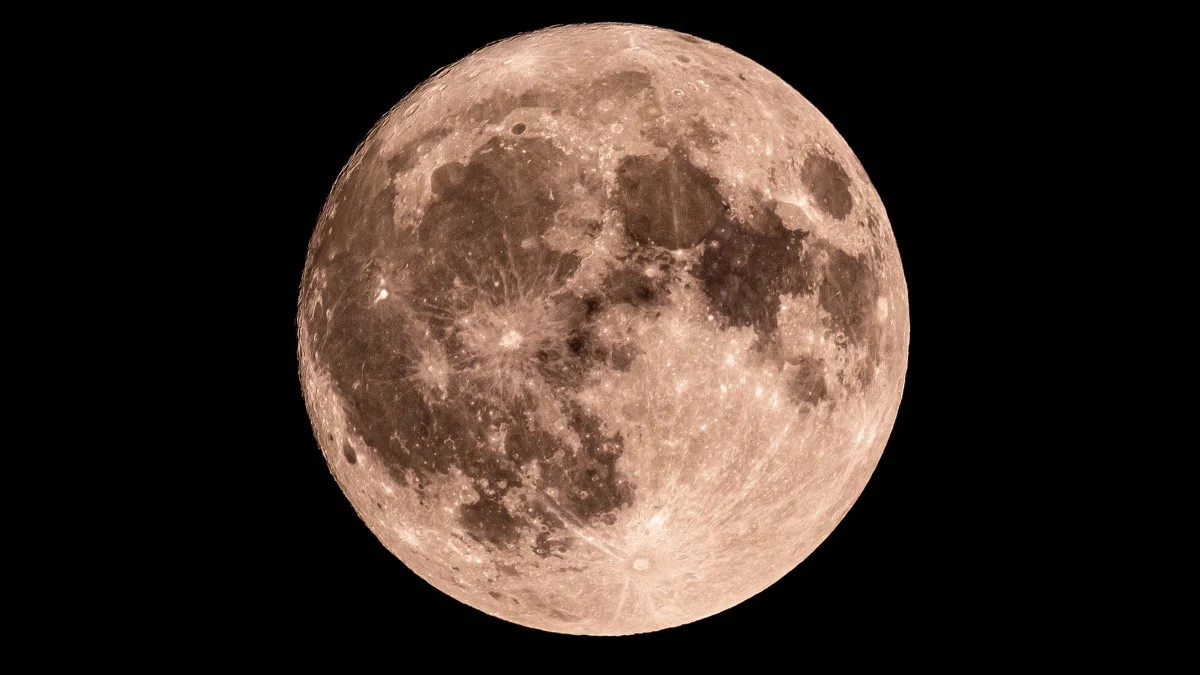
- Full Moon – All of it. Bright and loud in the sky.
- Waning Gibbous – Starting to shrink. Light fades on the right.
- Third Quarter – Half lit again. Left side this time.
- Waning Crescent – A final ghost of light on the left. Then the cycle restarts.
Nothing fancy. Just physics repeating itself while we stare up and wonder where the light went. 🌑