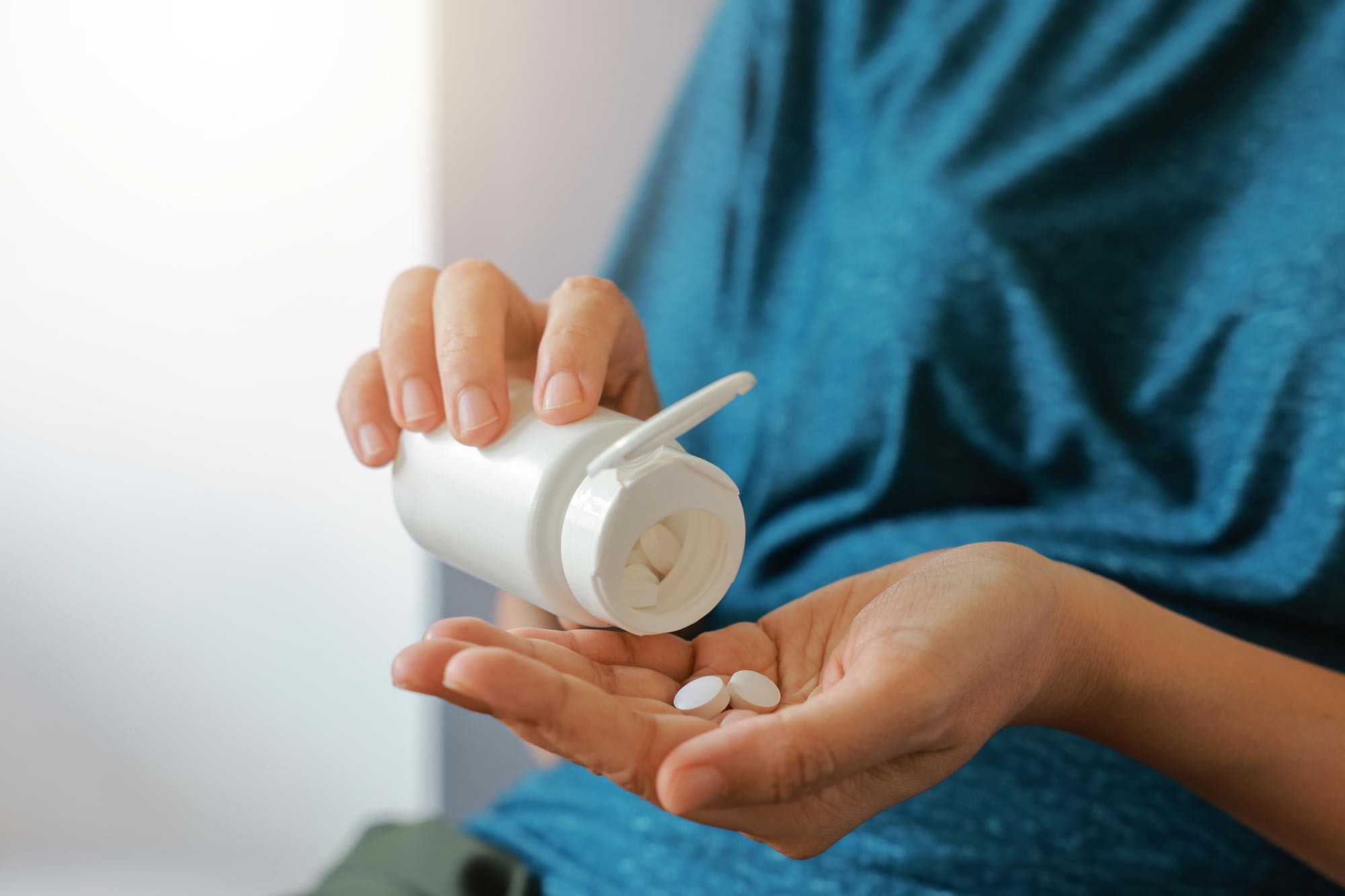
Supplements sold as anti-aging magic? Mostly noise.
The market screams that pills will boost your energy, fix your brain, and add years to your life. For some people, this looks like smart health maintenance.
For many others it’s just waste. Money down the drain for little gain. And sometimes actual risk.
Most people already get what they need from food. Adding extra vitamins then adds cost but zero benefit. Worse it can add toxicity. Too much of certain minerals messes with medications or organs. It creates unwanted health effects out of nowhere.
It’s more complex for older adults though.
The question isn’t if supplements are “good.” It’s if you are deficient. And if a pill is the safest way to fix it.
The Appetite Trap
Age changes things.
Appetite shrinks. Oral health fails. Tooth loss. Gum disease. Poor dentures make chewing a chore. Dietary variety dies.
Society gives bad advice. Eat less. Stay slim. Avoid heavy meals.
This ignores biology. The body still needs protein and minerals. Small meals turn into toast and tea diets. You feel full but you are starving of nutrients.
Not every senior needs supplements.
Targeted use helps. Based on confirmed gaps. Clear risk factors. Or evidence that food isn’t enough.
“The best supplement is the one that answers a real need not the loudest promise.”
The Big Three: B12, Folate, Vitamin D
B12 is a prime example.
Deficiency spikes with age. The stomach stops making the acid needed to free B12 from food. You get anemia. Fatigue. Numbness. Sometimes memory slips or confusion sets in. Medicines like metformin or proton pump inhibitors make this worse.
High-dose oral B12 usually fixes it. Sometimes injections are needed.
Then there’s folate. Crucial for red blood cells and DNA. Low folate raises homocysteine a marker linked to heart disease and cognitive decline. This link doesn’t prove prevention though. B vitamins help specific groups like those with high homocysteine or mild cognitive issues. But check for B12 first. Folate fixes blood markers while nerve damage continues silently. Dangerous overlap.
Vitamin D is another big one.
Seniors get less sun. They have less mobility. Darker skin or living in care homes increases deficiency risk. Supplements make sense for osteoporosis or high fall risk.
But more isn’t better.
A large trial showed vitamin D did not significantly reduce fractures in healthy mid-to-older adults who weren’t selected for deficiency. Just popping D because you can buy it easily? Useless for some.
Calcium and magnesium matter too. Get them from food when possible. Supplements help with osteoporosis or low intake but excess causes problems. Magnesium for sleep? The evidence is thin for routine use.
Multivitamins and the Protein Blind Spot
Multivitamins.
They help those who eat almost nothing or lack variety. But they aren’t insurance for everyone.
A massive study of three US cohorts found daily multivitamin use didn’t lower the risk of death. Another look? No clear impact on independence or lifespan either.
Here is what people overlook.
Protein.
Many seniors avoid meat. Fish. Eggs. Dairy. Beans.
They eat too little.
Low intake causes sarcopenia. Muscle loss. Weakness. More falls. Less independence.
Experts suggest 1.0 to 12 grams per kg of body weight. More during illness or frailty unless kidney disease dictates otherwise. This isn’t a pill issue usually. It’s a diet fix.
Danger Zones
Unsupervised supplementation harms you.
High vitamin D causes toxicity. Same for vitamin A. Never take iron without proof you need it. Some supplements clash with prescription drugs.
Beta-carotene and vitamin E at high doses might increase mortality risk. Evidence suggests this clearly for some groups.
Start with food.
Look at appetite. Weight changes. Swallowing issues. Can they shop and cook? Blood tests reveal gaps for B12 folate iron and vitamin D.
Universal supplementation lacks support.
Targeted use works when deficits exist. Vitamin D. B12. Protein supplements if intake is impossible.
Pills don’t replace the basics.
Balance nutrition. Strength training. Sleep. Social ties. Access to real food.
The right supplement solves a specific problem. Everything else is just marketing noise 🛑.
What else are you taking just in case?