It turns out you might be younger than your ID says. Not just in spirit. Biologically.
This matters. A new study suggests that having a low biological age could make you more efficient at burning fat. Specifically, it might help you switch from burning food calories to burning stored body fat much faster than your biologically older peers.
This isn’t about vanity. It’s about metabolic flexibility.
What the study actually tested
Context is key here.
Back in February, a review suggested intermittent fasting—like the 5:2 diet—was basically useless for weight loss compared to doing nothing. But that wasn’t the focus here.
Researchers looked at prolonged, continuous fasting. The kind you do for religious reasons. Or, in this case, inside a hospital.
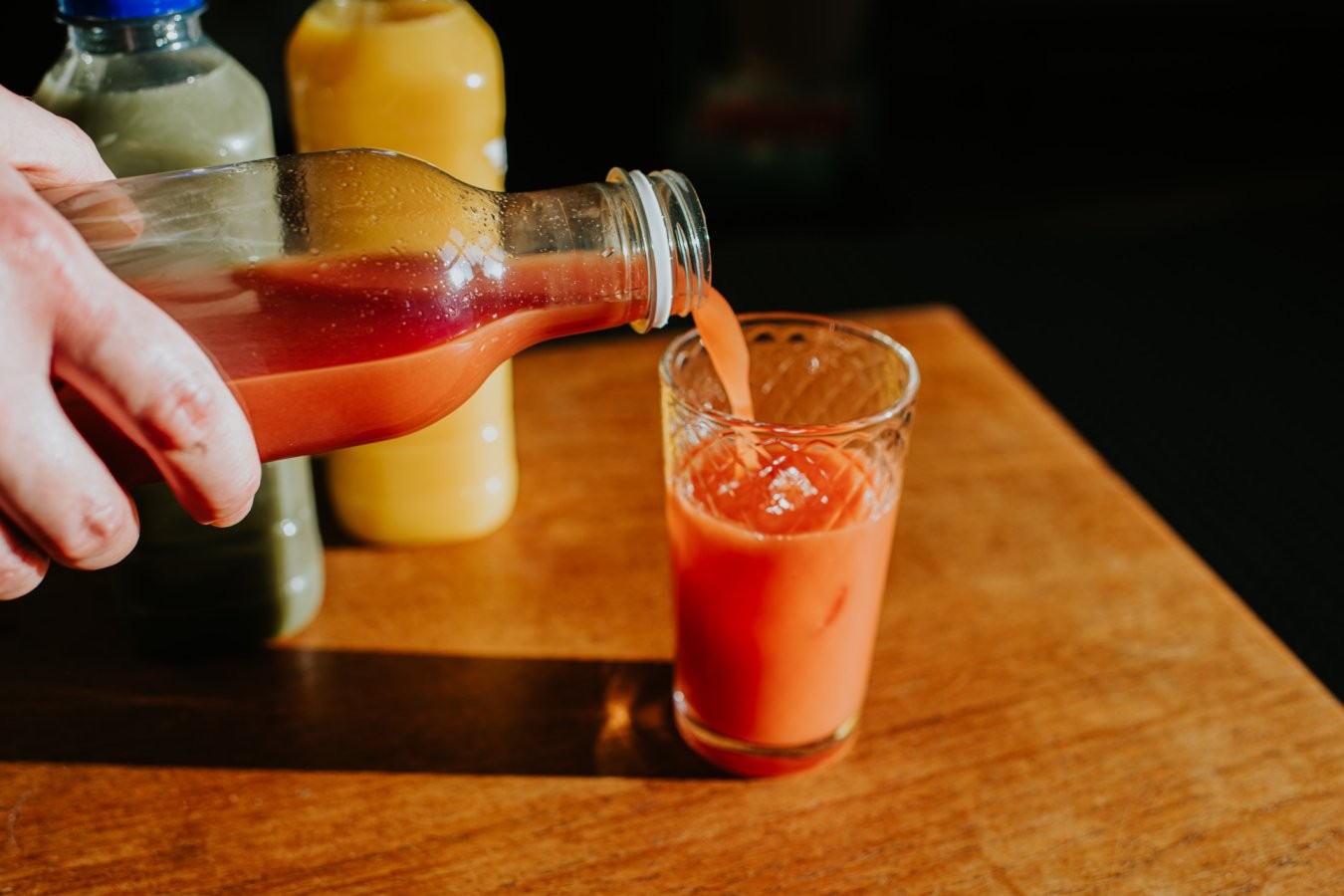
Steve Horvath at UCLA and his team took 32 healthy volunteers. These weren’t extreme athletes. They were regular people aged 25 to 72. The volunteers consumed a strict liquid diet. Just 200 to 250 a day. Fruit juice, vegetable broth, honey. That’s it. For 12 days.
“This is not something to try at home,” Horvath warns.
It was medically supervised. Inpatient monitoring. Strict.
How they measured aging
The team didn’t just weigh the volunteers. They measured their biological age using 12 different “epigenetic clocks.”
These clocks look at chemical tags on your DNA. These tags change as you get older. They also change based on lifestyle. Exercise matters. Stress matters.
The results were messy.
Some clocks ticked up. The participants looked older biologically during the fast. This makes sense. Extreme caloric restriction stresses the body.
But one clock behaved differently. It was designed to detect changes related to body mass index. This clock ticked down. The volunteers appeared biologically younger.
Who lost the most weight?
Here is the surprising part.
The researchers didn’t predict this outcome. But the data showed a clear pattern. People who started the study with a biological age younger than their actual chronological age lost more weight.
Why?
Horvath doesn’t have a definitive mechanism. But he has a theory. He believes biologically younger people have better “metabolic adaptability.”
When calories vanish, these bodies switch gears instantly. They stop looking for food energy. They start burning fat. Faster. Harder.
Paulina Correa-Burrows from the University of Chile adds a layer to this. She points to mitochondria. The power plants of your cells.
Biologically younger people tend to have more efficient ones. Efficient mitochondria mean faster switching to fat-burning mode. Better nutrient sensing in cells might also help.
Why this matters for your diet
The sample size was small. 32 people. So the results aren’t conclusive. Yet.
Correa-Burrows is cautious. But the implication is significant. It suggests your genetic baseline—your biological age —might determine how well you respond to fasting or restrictive diets.
Horvath wants to see if this holds up under less extreme conditions. A 12-day juice fast is not a lifestyle. It’s an experiment.
If you have a young biological age, you might lose more weight on less restrictive diets too. We just don’t know yet.
Can you change your biological age?
Yes. Sort of.
You can’t change your DNA sequence. But you can change how that DNA expresses itself.
Horvath lists the usual suspects. The ones everyone ignores.
- Don’t smoke.
- Exercise.
- Keep a healthy weight.
- Maintain good relationships.
Social connection matters. Yes, really.
These habits support healthy epigenetic aging. They keep your clocks ticking slower. They keep your mitochondria efficient.
The bottom line
Before you juice yourself into a coma, pause.
Speak to a doctor. A 200-calorie day is not a weekend plan. It’s a clinical trial.
But the insight stands. Your biological age isn’t just a number. It might be a predictor of your metabolic success. If you are biologically young, your body might be primed to burn fat more efficiently than you think.
Or maybe it isn’t.
We need bigger studies. Less extreme ones.
Until then, sleep well. Walk outside. Call a friend.
That might be the best fasting protocol there is.