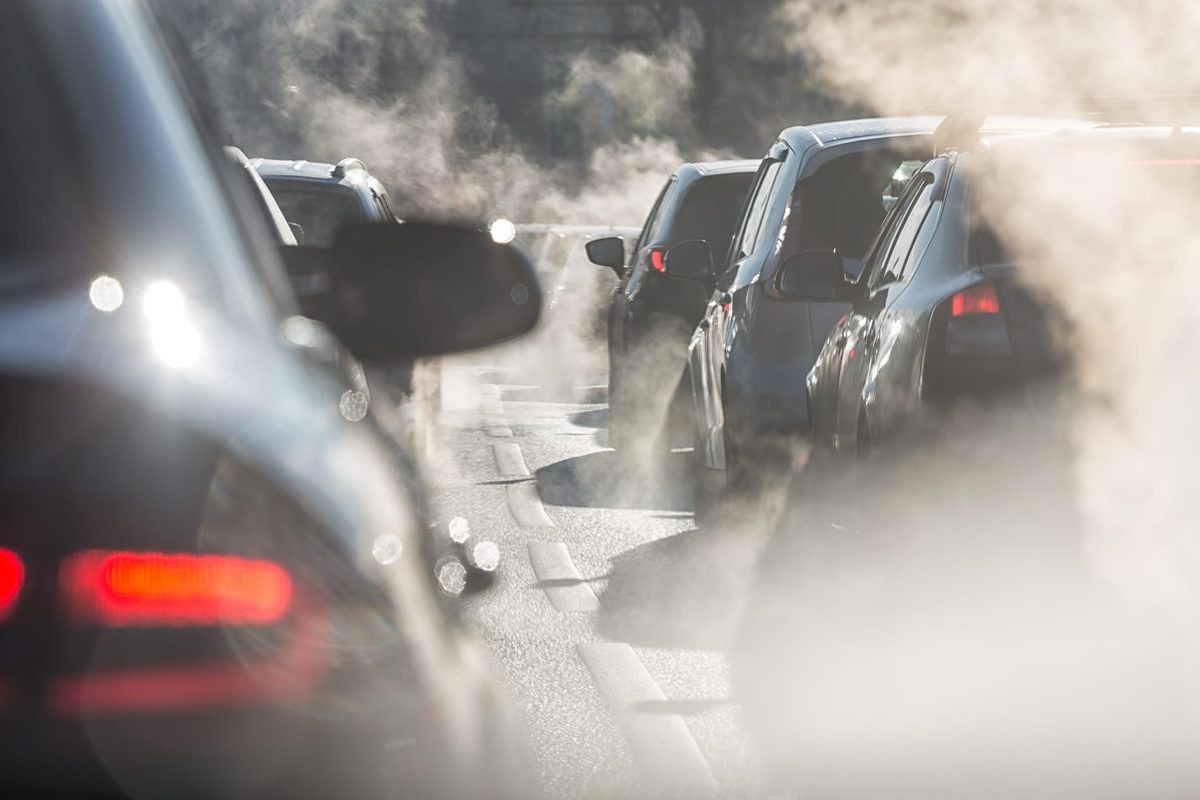
The bill submitted to the French National Assembly in February is likely to disrupt the current course of urban transport policy. The proposal calls for the suspension of low-emission zones, known in France as ZFEs, for five years. These zones are currently being established in several major cities in France, with the goal of gradually banning the oldest and most polluting vehicles in the central areas.
In theory, the logic behind ZFE is simple. Restricting high-emission diesel and gasoline cars and forcing people to use cleaner alternatives. The goal is to improve air quality and promote electrification. But the reality is tricky. The bill comes amid growing complaints about political spectrum and social classes.
Drivers are frustrated. They feel that their commuting habits are being penalized. Local elected officials have pushed back, arguing the mandate ignores local economic realities. Mobility experts expressed concern that the rollout was confusing and poorly coordinated. Citizens are angry at what they see as social discrimination. The policy is said to unfairly penalize people who cannot afford to switch to electric cars.
“This document seeks to respond to criticism from all parties, including motorists, local authorities and even transport experts and citizens who fear the measure will be seen as unfair.”
The tension here is between environmental urgency and social justice. France is actively deploying ZFE networks. Cities such as Paris, Lyon and Lille have tightened regulations in recent years. The result is a patchwork of rules that change frequently. This causes anxiety for people who drive old cars.
The proposed moratorium would suspend these new restrictions. It buys time. For five years, the current state of implementation of the ZFE will remain unchanged, but no new restrictions will be added. The suspension dealt directly with the backlash. It recognizes that the social costs of transition have become too high to ignore.
Is this a victory for the anti-ZFE movement? Or is it an acknowledgment that policy needs to be completely redesigned? This bill proposes the latter. This means that the current model is broken. It’s not just about banning cars. It deals with how cities manage space, pollution and justice.
The debate, the broader issue of green policy is in focus. How can we force change without leaving people behind? France’s experience has taught us a painful lesson. We can mandate cleaner air. However, if people think the cost is unfair, political will will collapse.
Deployment defined by Chaos
The logic behind Zones à Faibles Émissions (ZFE) should be simple. Limit the access of cleaner vehicles to the city center. Protect the air. But what about the implementation? What a mess.
Some cities require strict schedules. In some places, the rules have been frozen as local pressures mount. Dijon released the ZFE but put it on hold. Toulon announced and later lifted the restrictions. Orleans, Le Mans, Amiens, Perpignan – these all seem to be exceptions to the rule, and in reality the rule is not followed consistently.
So where are these low emission zones and what are the current regulations? The average driver can only guess. What is allowed? What isn’t? The lack of clarity creates a bureaucratic fog that serves no one’s interests.
Social costs of the green mandates
The real problem is not just confusion. This is unfair.
ZFE has a significant impact on low-income households. For many French families, exchanging an old car for a hybrid or electric model is completely impossible. This applies even if your current vehicle was in good condition and passed the MOT with flying colors.
These drivers are practically prohibited from entering the city center. Without affordable options or significant support, transitioning can become a punishment rather than an opportunity. Those who cannot afford to upgrade will be penalized.
Is ecological change that ignores economic realities simply unfair?

Air Quality Was Already Improving
The push to halt low-emission zones rests on a straightforward historical fact: the air in many French cities was getting cleaner long before these restricted zones existed. Supporters of the delay argue that the narrative of crisis ignores two decades of steady progress. The data doesn’t lie. Since 2005, nitrogen oxide levels have dropped by roughly 60%. Fine particulate matter has fallen by more than half.
This wasn’t magic. It wasn’t the result of recent bureaucratic decrees. It was the natural turnover of the vehicle fleet. It was the relentless engineering upgrades from manufacturers. Cars just became cleaner, period. By the time low-emission zones (ZFE) were introduced, they arrived as a latecomer to a process already well underway. The real-world impact of these zones remains heavily debated because they seem to be solving a problem that was already being solved by market forces and technology.
The Threat of Automated Fines
Then there’s the looming enforcement mechanism that has turned anxiety into anger. By 2026, the system is set to shift toward fully automated verbalization. This means speed cameras and license plate readers will do the policing. You won’t need to be stopped. You won’t need to be seen. If your car is parked in a restricted zone, the system will scan your plate, cross-reference the database, and mail you a fine.
The risks here aren’t theoretical. Errors happen. Plates get misread. Data gets outdated. A resident might receive a ticket for a vehicle they no longer own, or for a visitor who didn’t know the specific rules of a neighborhood they passed through once. The fear of unjust punishment is palpable. But critics see a darker motive behind the environmental rhetoric. As fines pile up, local governments find themselves with a new, reliable revenue stream. The transition looks less like a public health initiative and more like a tax on mobility for those who can’t afford newer cars.
Rethinking the Transition
The proposal to pause these zones for five years isn’t a rejection of climate action. It’s a demand for a different strategy. It’s an argument for an approach that is socially just, transparent, and adaptable to actual human behavior. The current model feels punitive. It relies on imposing restrictions rather than offering viable alternatives.
There is a growing consensus that ecological policy needs to shift from sanctioning to accompanying. Incite behavior change through better infrastructure, affordable alternatives, and clear incentives. Don’t just punish those who are left behind. This pause allows for a recalibration. It asks whether we can achieve environmental goals without alienating the very people we are trying to protect. Effective ecology cannot be built in opposition to the public. It must be built with them. The question remains whether policymakers will listen before the fines become the only policy that matters.