Three days. That was it.
First the Chinese got their fix, then the Japanese. Two spacecraft, two different rocks, almost simultaneously. It feels less like competition and more like a synchronized effort to finally crack the code on these ancient space rocks.
The Close Calls
On July 2, the China National Space Administration (CNSA) sent Tianwen-2 zooming toward Kamo’oalewa. This thing is about 300 feet wide. People sometimes call it a “quasi-moon” of Earth. It doesn’t actually orbit us, but it shares our path around the sun. Oscillating celestial object. That’s what the name means in Hawaiian. Fitting, maybe. Or ironic.
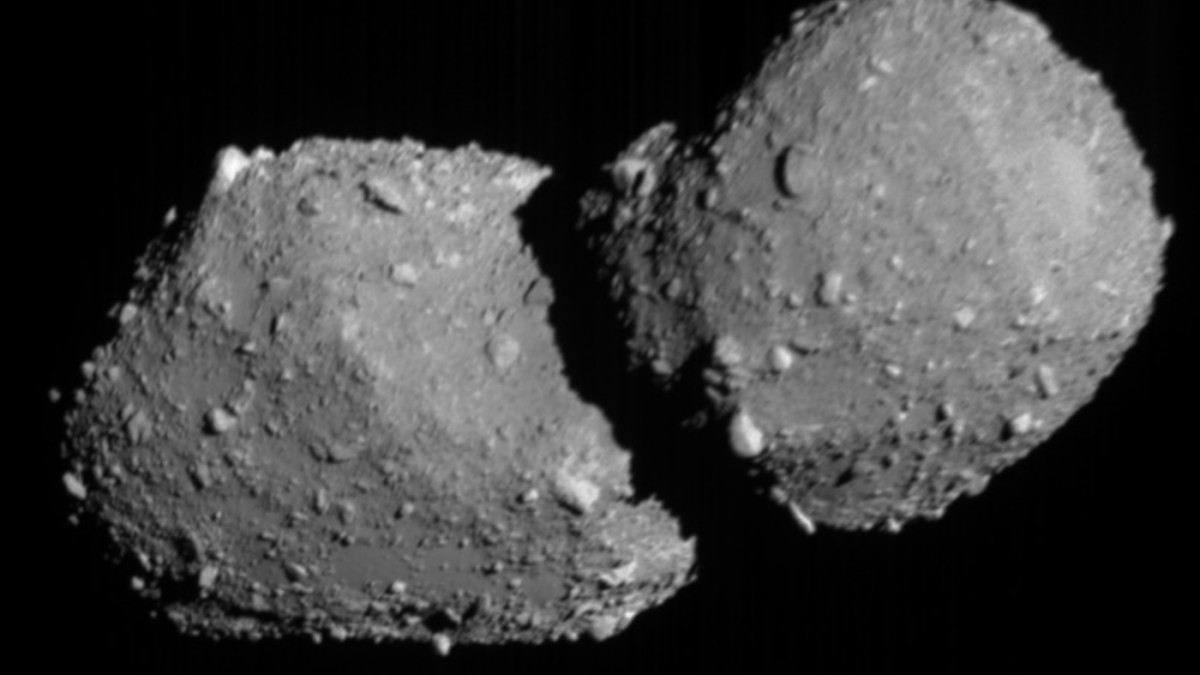
Just three days later, on July 5, JAXA’s Hayabusa2 swung by Torifune. Much bigger—1,500 feet across. Shaped like a peanut. It took them about 400 days to get there for Tianwen-2. Roughly 26 million miles out at closest approach. For Hayabusa2, it was an extended mission. They’ve done this before, back with Ryugu. That was 2020. Torifune was much faster. 3 miles per second. Engineers had to switch tactics, mixing radio tracking with images just to keep from flying past it.
Neither of these things is hitting Earth anytime soon. Don’t worry about that.
Besides the intense scientific interest, this helps us plan protection against larger rogue impacts.
But they remind us how fragile this system really is. These are leftovers from when the solar system started, 4.6 billion years go. They haven’t collapsed into planets. No gravity strong enough. So they sit there. Holding secrets from the beginning of time.
Why Bother?
Why spend billions flying past dirt rocks?
Part of it is curiosity. Who doesn’t want to see the building blocks of the universe up close? Kamo’oalewa might actually be a piece of the moon, blown off long ago. If China pulls off sample collection—which they plan to try after studying it for months—they become only the third nation to do it. After Japan. After the US.
The other part is practical. Dale Skran from the National Space Society puts it plainly: using these resources could help humans settle beyond Earth. Resources. Water, minerals, stuff we might need when we stop being earthbound.
Hayabusa2 already returned samples from Ryugu. It’s back at it now. The European Space Agency sent congrats on X, mostly to hype their own Hera mission going to Dimorphos. You know, the moonlet NASA smashed into for target practice in 2028? Well, 2022, actually. Target practice sounds fun. Asteroid deflection looks necessary.
Torifune got its name from a mythological Japanese boat god. Kamo’oalewa wobbles around the sun with Earth.
The photos came out sharp.
We’re getting better at finding these things. At hitting them, or touching them, or bringing bits of them home.
What happens next depends on how much we want to look.
The asteroids aren’t going anywhere.