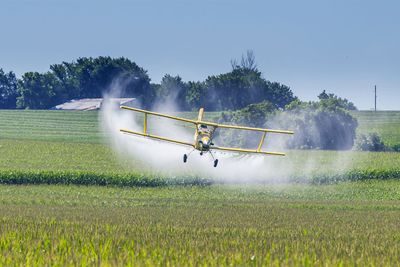
Pesticides are toxic substances designed to kill pests. These pests include animals, fungi, or plants that damage crops or ornamental plants. They also target organisms hazardous to human or domestic animal health. All pesticides disrupt normal metabolic processes in the pest organism. They are often classified by the type of organism they are intended to control.
The Role of Pesticides in Agriculture
Pesticides are essential for protecting crops and ensuring food security. They prevent economic damage to agricultural products. Without them, pests could destroy entire harvests.
Types of Pesticides
Pesticides are categorized based on the target organism. Common types include:
- Herbicides : Kill weeds that compete with crops for resources.
- Insecticides : Target insects that damage plants or spread disease.
- Fungicides : Prevent fungal infections that can devastate crops.
- Fumigants : Used to control pests in soil or stored products.
Health and Safety Concerns
While pesticides protect crops, they can pose risks to human health. Proper handling and application are crucial to minimize exposure. Regulatory agencies set safety standards to protect consumers and applicators.
Environmental Impact
Pesticides can affect non-target organisms and ecosystems. Responsible use is necessary to balance agricultural benefits with environmental protection. Integrated Pest Management (IPM) strategies help reduce pesticide reliance by combining multiple control methods.

The Pesticide Paradox: Why Chemical Solutions Become the Problem
The history of agricultural chemistry is littered with solutions that became problems. Take DDT. It hit the scene in the 1940s like a miracle. Farmers loved it. It wiped out pests. But the cost? The environment took a hit. Wildlife suffered. Humans were exposed to risks that weren’t fully understood until it was too late. The backlash was swift. By the time the 21st century rolled around, many countries had moved to restrict the chemical.
Then came the neonicotinoids. These insecticides promised precision. They targeted specific pests while sparing others. But there was a catch. They were linked to the collapse of honeybee populations. The silence in the fields was deafening. The European Union saw the writing on the wall. They banned the use of neonicotinoids entirely. Other nations followed suit. Why? Because the health of the ecosystem matters more than short-term crop yields.
How Pesticide Bans Shape Our Food System
When a chemical is banned, the immediate question is always the same. What do we use instead? Organic farming expands. Integrated pest management gets a boost. But the transition isn’t easy. Farmers face higher costs. Yields can drop. Consumers pay more. This is the reality of pesticide regulation impacts. We want clean food. We also want cheap food. The tension between these two desires drives policy debates.
Consider the neonicotinoid ban in the EU. It wasn’t just about bees. It was about biodiversity. Bees pollinate a third of our food. Without them, the system falters. The ban was a recognition of that interdependence. It shifted the focus from eradicating pests to managing ecosystems. This is a fundamental change in how we view agriculture.
Why Regulations Lag Behind Science
Science moves fast. Regulations move slow. There’s a gap. DDT was used for decades before its dangers were widely accepted. Neonicotinoids faced scrutiny for years before bans were implemented. This lag is dangerous. It allows widespread exposure before action is taken. Why does it happen? Lobbying. Uncertainty. The complexity of proving causation. It takes time to link a chemical to a specific ecological decline. By then, the chemical is entrenched.
The result is a reactive rather than proactive approach. We wait for the crisis before acting. This pattern repeats. It’s inefficient. It’s costly. But it’s also human. We prioritize the known over the potential. Until the evidence is undeniable, we hesitate.
The Future of Pest Control
What comes next? Innovation. New technologies are emerging. CRISPR gene editing. Biological controls. Pheromone traps. These methods offer hope. They can target pests without harming non-target species. But they’re not silver bullets. They require investment. They need infrastructure. And they need public acceptance.
The debate over pesticide safety concerns will continue. It’s not just about chemicals. It’s about values. How much risk are we willing to accept? Who bears the cost? The answers will shape our food system for decades. One thing is clear. Business as usual is off the table. The era of unchecked chemical use is over. The question now is what we’ll build in its place.
“The health of the bees is the health of the world.”
This