Ash. Layers upon layers of it.
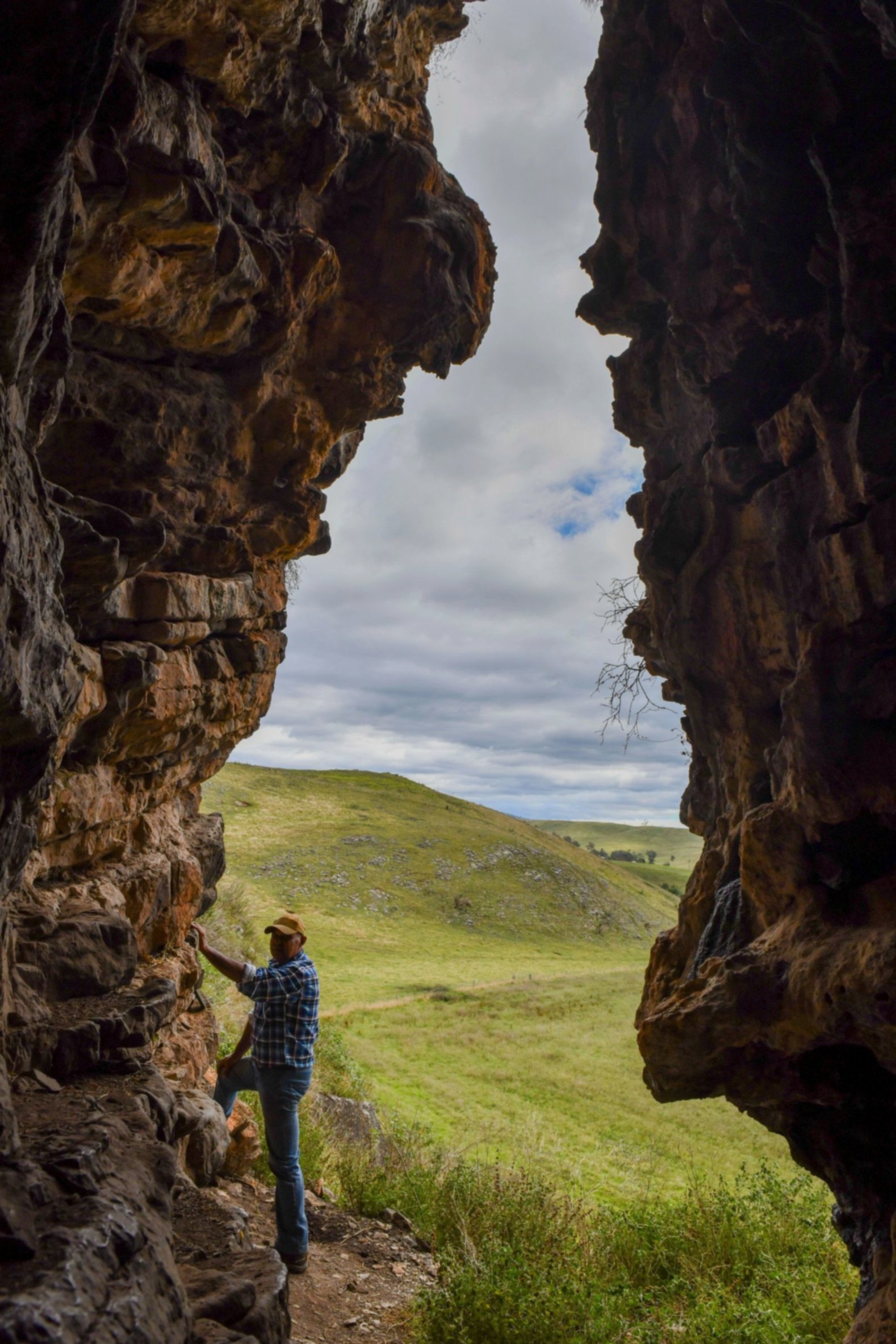
Buried deep inside Cloggs Cave lies a 25,000-year-old record of ritual behavior. It is not just ash. It is evidence that Indigenous Australians carried whole grasses into this subterranean space for ceremonial burning as far back as the Last Ice Age. The site sits within the traditional lands of the GunaiK urnai people. They are the acknowledged custodians of GippsLand and the southern Victorian Alps.
But why grass? And why inside a cave?
The Science of Microscopic Evidence
Dr. Elle Grono from the Australian National University led the analysis. She and her team focused on “phytoliths.” These are microscopic silica structures that form within plant tissues. Unlike pollen, which travels on the wind, phytoliths stay where the plant dies. No plants grow in Cloggs Cave because the light is nonexistent. Therefore, if phytoliths are inside, they were brought there. By humans. Or perhaps by possums tracking dirt on their fur.
The researchers looked specifically for half-burned phytolithins within ash layers. This is the key distinction. Unburnt silica could have been washed in or carried by animals. Burnt silica? That implies human intent.
“We focused on half-burned phyto liths from ashy layers, which can only have been brought in by people.” — Dr. Elle Grono
The study, published in Frontiers in Environmental Archaeology, reveals that people selected whole grasses. Stems. Leaves. Flowers. Roots. They brought the inedible parts in, too. They spread them out. Then they lit them.
Ritual Burning Practices Across Millennia
Excavations in 2019 and 2200 uncovered pits up to 2.3 meters deep. Carbon dating and optically stimulated luminescence provided a timeline.
The upper sections contained 73 distinct thin ash layers. These were deposited between 4,400 and 1.600 years ago. But the ash record goes back much further. As much as 18% of all phytoliths showed signs of heat. This pattern persisted across the entire 25,00-year span represented at the site. People kept coming back to burn grass.
Why? GunaiKurnai oral tradition and 19th-century records mention mulla-mullung —learned men and women. These spiritual practitioners used caves for magic. For healing. For cursing. The ash from these burned grasses likely played a part in these rites. Professor Bruno David of Monash University notes that the burning aligns with traditional practices involving ash for tracking spirits or performing magic.
They also found a 28-cm standing stone. Erected about 2,000 years. Probably for ritual purposes.
Why Grasses? The Selection Process
Did they grab anything growing nearby? No. The analysis identified 29 plant types. Grasses dominated. Up to 97% of the silica material.
The specific types matter. The cave contained Pooideae grasses. These prefer temperate, cool conditions. They also contained Panicoideae grasses. These thrive in warm, humid spots.
Less common were Chloridoideae. These are drought-resistant grasses. They would have grown closer to the cave entrance in drier micro-climates. But the people didn’t collect those primarily. They avoided the riparian forests and open woodlands surrounding the cave. Instead, they deliberately harvested specific grasses from just a short distance away. They wanted whole plants. Including the roots.
GunaiKurnai Community Involvement
This wasn’t a detached academic exercise. The GunaiKurnai Land and Waters Corporaion requested the excavations. Community members helped design the study. They did the fieldwork. They interpreted the findings. They communicated the results to their people. This collaboration ensures the story stays with the people it belongs to.
What Does This Reveal?
We used to think caves were just shelters. Or burial sites. Cloggs Cave shows us something else. It was a theater for ritual. A place where the landscape was physically brought inside to be transformed by fire.
The preservation of these layers is remarkable. Each ash layer is a timestamp of intention. A deliberate act of carrying fuel underground and lighting it up. For millennia.
Is it magic? The GunaiKurnai tradition says yes. The archaeology shows repetition. Precision. Choice.
They didn’t just burn sticks. They burned whole ecosystems that existed outside. Inside the dark. Where only the light of fire and the memory of the Old Ancestors remain.
The standing stone still stands there. Silent. Waiting. Did anyone see it last night? We don’t know. The cave keeps its own counsel.