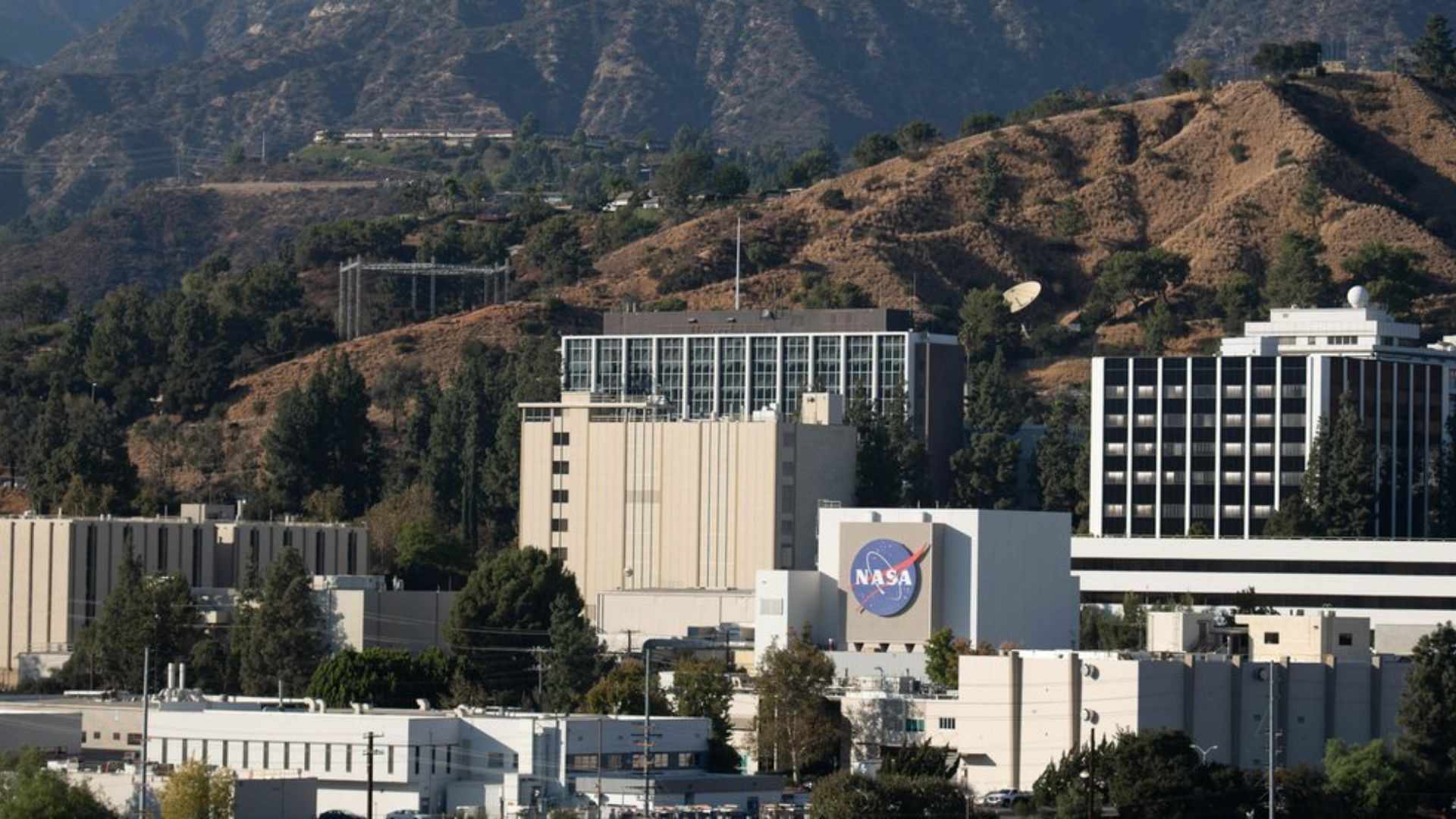
Caltech has run NASA’s Jet Propulsion Laboratory for nearly a century.
That ends in 2028. Or rather the exclusive arrangement does. NASA is putting the contract up for bid. First time ever.
Caltech has managed the lab since its inception in the 1935s and since NASA founded itself in 1958 it’s been their hands on the wheel. A JPL statement dropped May 22 confirmed the current deal expires September 30 next year.
Caltech says they knew this might happen. They’ve been preparing since last summer. No surprise.
But it’s bigger than one lab.
What Happens to JPL?
JPL leads robotic exploration. Mars rovers. Deep space probes. The stuff that works in silence while humans sleep.
Technically it’s a NASA field center but it’s an FFRDC—a federally funded research and development center. Run by contractor. Independent vibe but with NASA oversight. Heavy oversight.
“The FFRDC model enables NASA retain access to this depth capability while maintaining clear separation between government decision making authority and contractor execution responsibilities.”
Sounds bureaucratic. It is.
In practice this means JPL has always been slightly apart. Special status. But opening it to competition changes things. Day-to-day management could shift. Big science programs too.
Currently JPL and Caltech are tangled up. Scientists and mission staff work side-by-side “across the pond.” Meetings happen on the Pasadena campus. The cultures blend.
If another institution wins the contract that web snaps. How it breaks no one knows yet. Caltech acts like it’s fine. They say it’s positive. Sure.
Big NASA Changes
This JPL bid isn’t isolated. NASA announced a massive reorganization this morning. Separate news same day.
The agency wants specialization. They want to merge mission directorates. Elevate delivery of work that actually matters.
Jared Isaacman the new administrator made a statement. He used words like “extreme focus” and “liberating the workforce.”
“We aim to rebuild competencies” he said. He wants the best and brightest. People who can handle urgent engineering challenges.
Did he promise no layoffs?
Yes. Isaacman insists there will be no reduction in force. No program cancellations. No closures.
It’s a bold promise. In an era where “personnel changes” often mean firing it stands out. Maybe he’s right. Maybe not. Time tells.
The structure changes though. Realignment everywhere.
Two directorates get mashed together.
* Exploration Systems Development and Space Operations merge into the Human Spaceflight Mission Directorate.
* Aeronautics Research and Space Technology fold into the Research and Technology Mission Directorate.
Leadership shifts too. John Bailey heads the Mission Support Directorate. Jamie Dunn runs Goddard Space Flight Center. Lori Glaze takes over as associate administrator for HSMD.
One more JPL note.
Adam Steltzner is leaving the lab chief engineer post. He was the rockstar behind Curiosity’s 2012 sky crane landing. Now he’s NASA’s “chief engineer for special projects.” A lateral move in title. A change in scope.
Caltech still holds the pen for now. Until 2028 they write the rules. Then someone else might take over.